



Manufactured in the UK

Leading Water Filter Experts

Delivered Worldwide

How to Decide Between A Rotorflush Submersible Filterpump or a Rotorflush Self-cleaning Filter

Siu Seljandi

Published

Filters or filterpumps??

If you are having difficulty maintaining a hassle-free flow of water through your pump because of weed, debris, leaves, or any other contaminant clogging the system, yes, you've come to the right place. Rotorflush Filters Ltd design, manufacture and supply the answer to your problems - self-cleaning suction intake filters and strainers for water pumps.

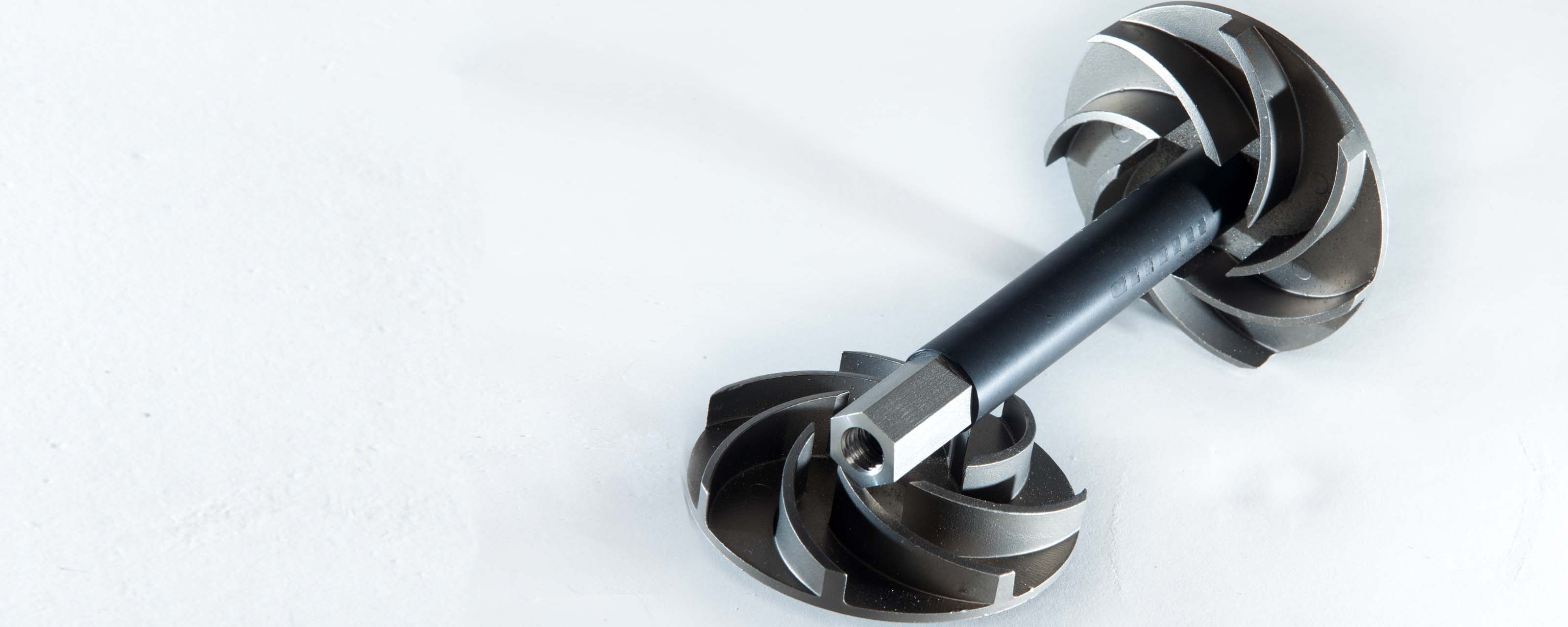
The Rotorflush self-cleaning filter was invented to stop pumps and spray bars and nozzles from clogging up and blocking if the water being pumped is less than crystal clear. 

Self-cleaning Filters

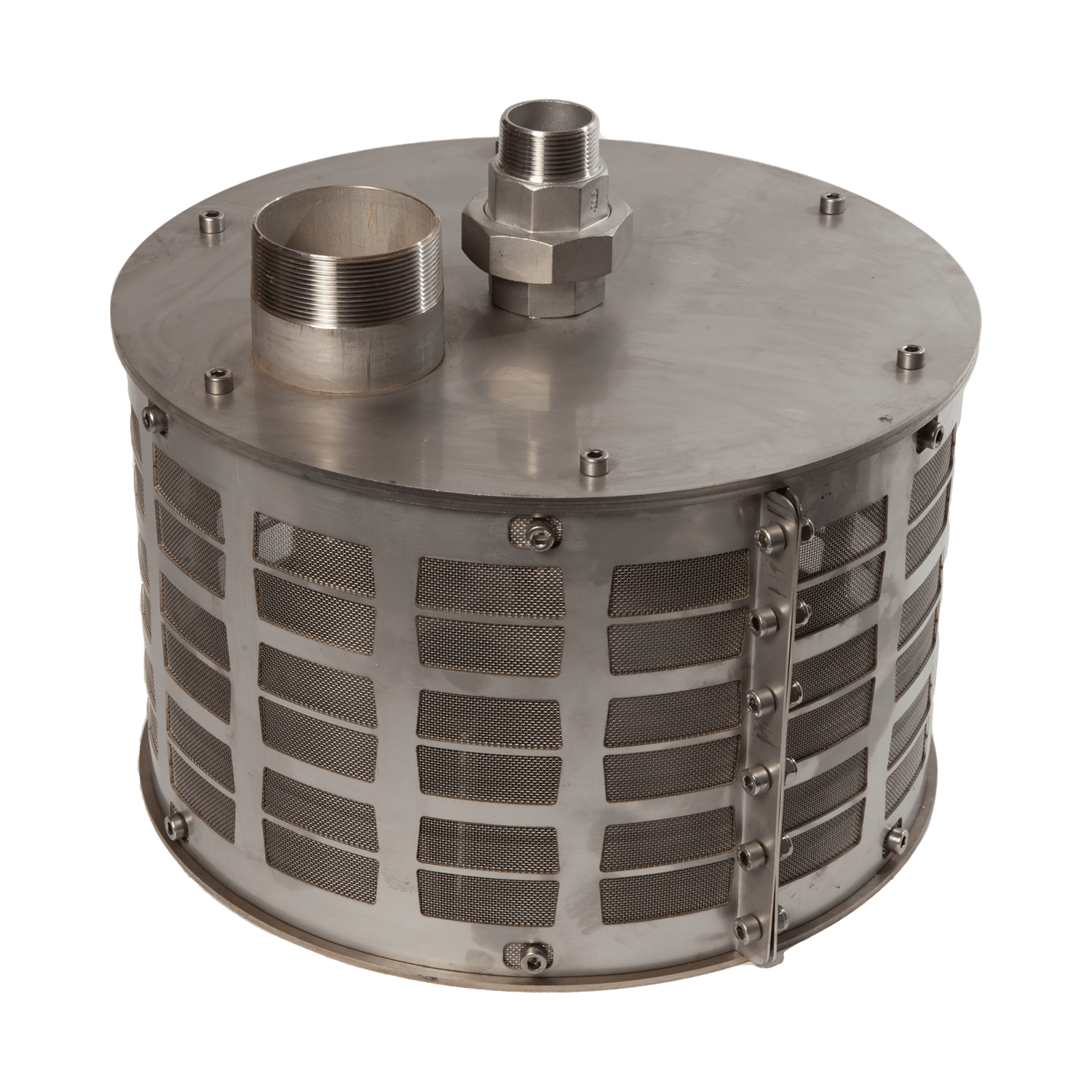
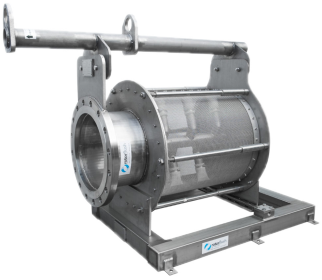
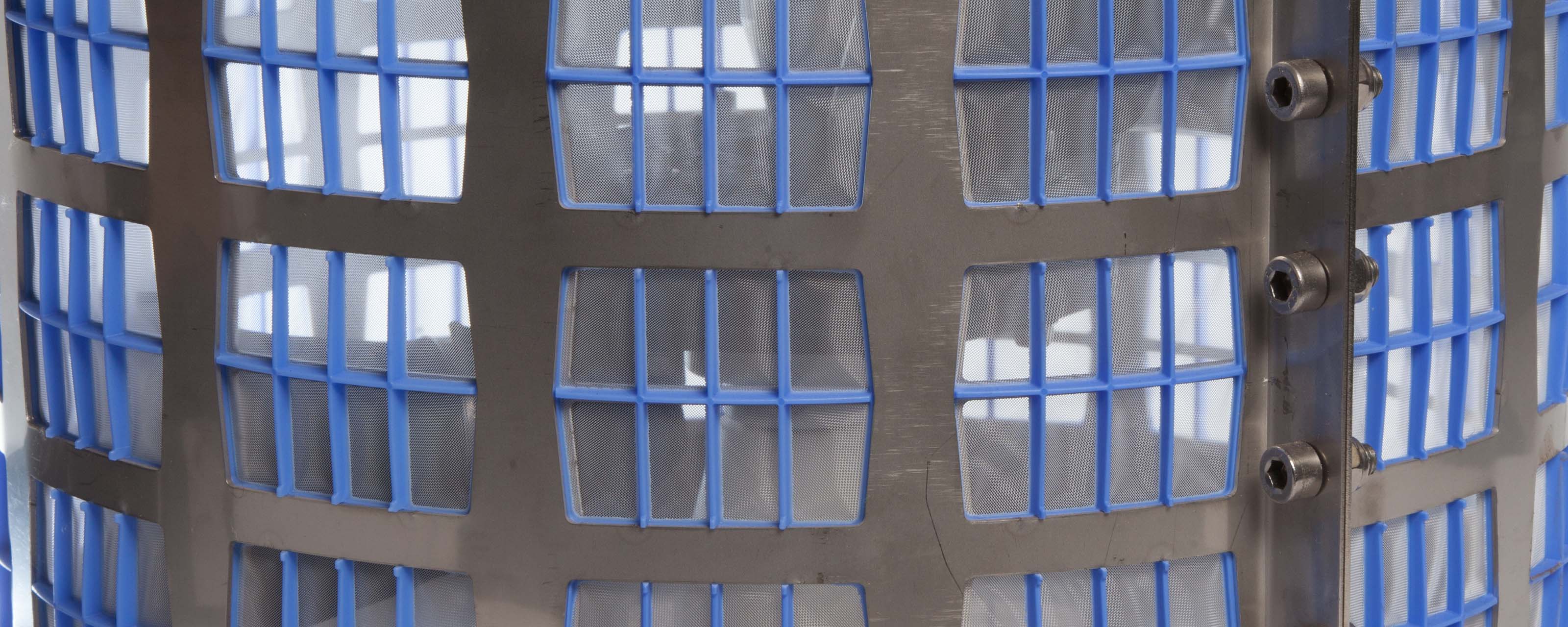
The first Rotorflush self-cleaning suction intake filters and strainers were designed for use on the suction pipe of surface mounted pumps. The first screens were fairly coarse - 3 and 6 mm aperture screens. The design principle worked, the screens and filters are scale-able, and depending on flow rate can be fitted with filter mesh from 50 microns apertures upwards.

These screens have continued to evolve in size and construction but the self-cleaning mechanism at the heart of every Rotorflush is essentially the same design. See this informative article explaining what Rotorflush self-cleaning filters are, and how they work.

Filterpumps™

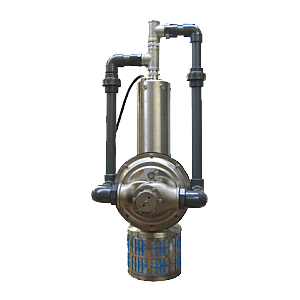
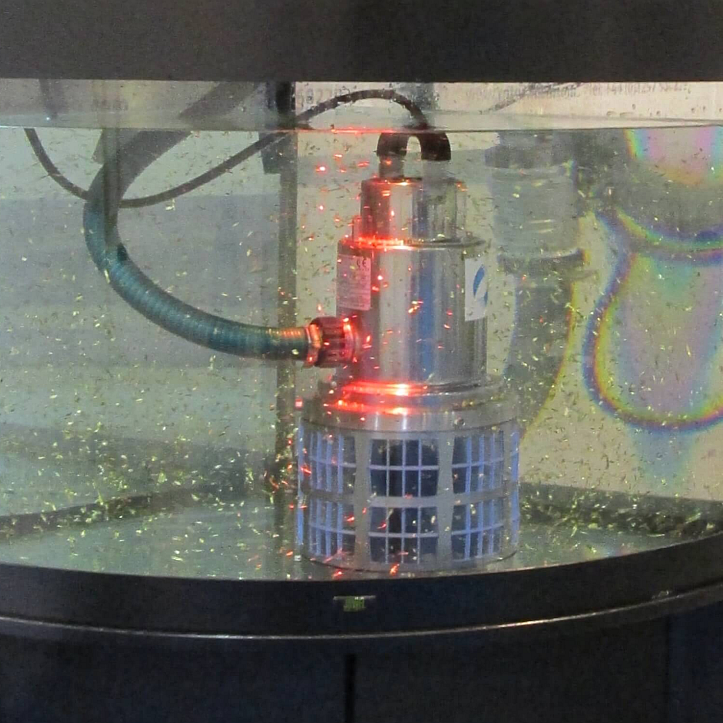
A surface mounted pump is not always the most suitable for some pumping applications. Rising to the challenge of using a self-cleaning intake with submersible centrifugal pumps, Rotorflush Filters invented the Filterpump™, a submersible pump with an integral self-cleaning suction intake.  

These are the only electric submersible centrifugal pumps with effective integral screening.  See this informative article explaining what Rotorflush Filterpumps™ are, and how they work.

Rotorflush filters and filterpumps

Deciding whether to instal a Rotorflush self-cleaning suction intake on a surface mounted pump or whether to use a Rotorflush submersible filter pump with a built-in self-cleaning intake depends on many factors. Our wide range of products means it is possible to choose the best self-cleaning intake product to suit most projects or applications. 

In our experience no two pumping and screening applications are ever the same; there is too much variability in location, purpose, water quality, volume, pressure, depth. Understanding these factors can help in deciding which Rotorflush product is most suitable.

These are some of the considerations that will inform the best approach to meeting a particular application requirement.

What to consider

Characteristic

Filterpump or 

Self-cleaning Filter

Comment

Already have a pump?Surface mounted pumpSelf-cleaning Filter only 
Submersible pumpNo products available 
Flow RateUp to 390 m3 / hrBothFlow rate determines the size of filterpump or filter required 
More than 390 m3 / hrSelf-cleaning Filters only

Water / media quality


Viscosity must be the same or very close to that of raw waterBothSelf-cleaning intakes work in liquid with some solids, not in solids with some liquid.  Media mores more viscous than water is not suitable for Rotorflush products.
Oily or greasy waterNo products available
SludgeNo products available
ContaminantsSuspended solids, weed, debris.Both 
Raw sewageNo products available 
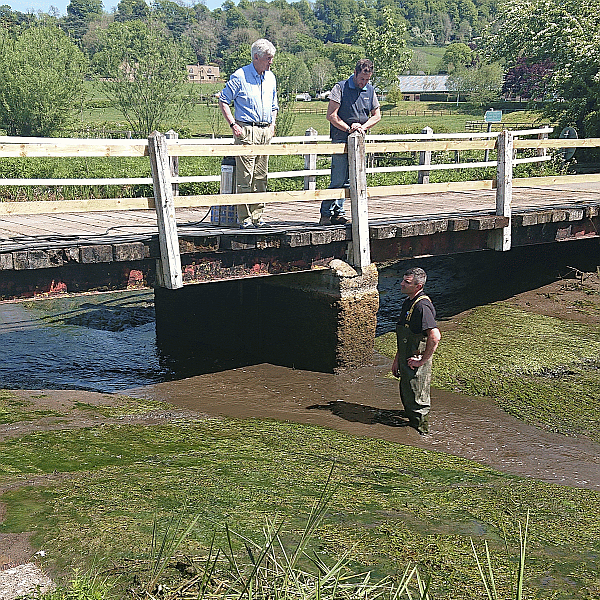
Operating EnvironmentOpen water - Canal, River, lake pond etc.Both 
Sump, Tank, IBC, other container.BothParticulate and debris screened out by filters can accumulate in a tank or sump if there is no flow to disperse it. Tanks may need regular cleaning.
Seawater, Brackish WaterBothSome filterpumps are corrosion resistant, all filters and strainers can be manufactured using marine grade 316 stainless steel.
Depth

Water Depth

The intakes of filters and filterpumps must be fully submerged tom operate efficiently and avoid dry running or drawing air. The minimum depth must be 100 mm greater than the height of the intake – this will vary by flow rate and consequent size of filter.

InstallationPermanent BothRotorflush offer guiderails and installation advice for permanent installations.
TemporaryBothSelf-cleaning filters and filterpumps are suitable for screening when over-pumping or temporary pumping and screening for water management jobs.
TemperatureUp to 40 CBoth 
40 C to 70 CSelf-cleaning Filters only 
70 C and aboveSelf-cleaning Filters only with bespoke jets.Materials can be varied to suit customer higher temperature requirements
Lift7 m. or lessSelf-cleaning FiltersPump height above water level for a dry mounted pump needs to be approx.7 m or less
7 m or moreFilterpumpsA submersible pump will deliver more lift 
Output pressure0 – 20 barFilterpumps onlyN/ A to Self-cleaning files and strainers on the suction side of dry mounted pumps
Power supplyThree phase electrical supplyMedium and large filterpumps onlyFlow rates greater than 14 m3 / hr
Single phase electrical suppySmall Filterpumps onlyFlow rates up to 14 m3 / hr
None Self-cleaning Filters and strainersNo power supply required if the strainer or filter backwash is powered from pumped output of dry mounted pumps
Intake mesh 50, 60, 115 and 300 micron nylon meshBothFilters and strainers up to 200 mm diameter and small filter pumps only
316 grade Stainless steel meshBoth50, 100, 315 micron, and 1 mm, 2mm and 3 mm   stainless steel mesh
Note – choose mesh size approx. one third of the size of the smallest aperture in the system you are protecting e.g 1 mm (1000 micron) irrigation feeds need 300-micron filtration
RegulationsEel and Fish ProtectionBothFilterpumps and Self-cleaning filters can be sized to ensure that your flow rate eel and fish protection regulations

Summary

Self-cleaning filters and strainers – Pros.

Filterpumps – Pros.

  • Suction intake screens and filters that self-clean as water is pumped.
  • Flow rates from 0 to 2000 m3 / hr
  • Filtration from 3 mm apertures down to 50 microns
  • Suitable for temporary and permanent installations
  • Complies with Eel and Fish protection regulations
  • No additional power supply needed
  • Protects pumps, pipes and other equipment from blockages
  • Simultaneous pumping and screening of dirty water.
  • Flow rates from 0 to 390 m3 / hr
  • Filtration from 3 mm apertures down to 50 microns
  • Suitable for temporary and permanent installations
  • Complies with Eel and Fish protection regulations
  • No additional power supply needed
  • Protects pumps, pipes and other equipment.

Self-cleaning filters and strainers – Cons.

Filterpumps – Cons.

  • Not suitable for sludge, raw sewage or greasy and oily liquids.
  • Not suitable for sludge, raw sewage or greasy and oily liquids.
  • Needs power supply (single or three-phase)

FIND OUT MORE

Rotorflush Filters Ltd staff have years of experience of liquid / solids separation in agriculture, industry, water and waste water treatment applications, and are available to advise and answer any questions you may have.

Furthermore, we are more than happy to give technical advice about screen sizes, eel regulations and flow rates, as well as practical information about filters for specific uses.

Call us on +44 (0)1297 560229 or email sales@rotorflush.com to discuss your needs.


Share this insight

Related articles

View all
Choosing the right filter
C J Hiscock

Choosing the Right Industrial Self-cleaning Filter

There are almost as many ways of screening dirty water as there are pumps screens and filters available to use. This page describes some typical uses and benefits of deploying Rotorflush self-cleaning industrial suction intake water filters, compares different self-cleaning intake strainers and their best use in various situations, as well as the benefits of not having to unblock screens and pumps so often.
Flavourful filterpumps
Christofero Centenario

How to Choose the Right Rotorflush Filterpump™

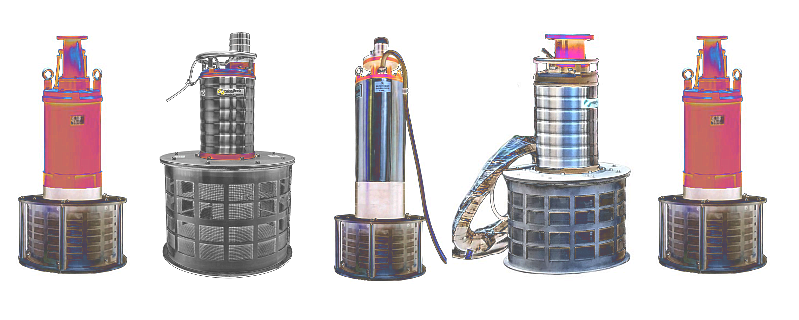
Rotorflush Filterpumps™ - submersible water pumps with built-in self-cleaning suction intake filters and screens - are available in a wide range of duties. Choosing which filterpump suits your pumping and water screening requirements depends on many factors. This article will help you choose the right filterpump for you, offering a comparison of flow rates and uses.

How do filters work
C J Hiscock

How Rotorflush Self-Cleaning Filters Work

It is no mystery how Rotorflush self-cleaning filters work. The same self-cleaning mechanism keeps the filter mesh clear on all our products. At last - pump suction hose filters and strainers that self-clean as you pump.

How do filter pumps work
C J Hiscock

How Rotorflush Self-Cleaning Filterpumps™ Work

How Rotorflush Self-Cleaning Filterpumps™ filter and pump contaminated water without blocking. Find out how Rotorflush filter pumps - submersible pumps with built-in self-cleaning suction intake filters - prevent intake screens, pumps, pipes and connected downstream equipment from blocking and clogging in difficult water conditions.