



Products
Expertise by Industry

Case Studies
Knowledge

Irrigation Filters and Water Strainers and How to Use Them
Irrigation Filters
-
Irrigation Filters
- Why Irrigation Systems Need Filtration
- Irrigation Methods and Application
- How to Achieve Low Maintenance Irrigation
Why Use an Irrigation Water Filter or Strainer?
Successful irrigation requires applying the right amount of water, at the right time, and at the right location directly to the plant's roots. Maintaining a consistent timely flow of water to all crop areas is only possible if drip feeders, nozzles and pipework can be kept free from blockage. Screening and filtering source water is essential for an effective low maintenance irrigation regime.
What are Irrigation Filters?
Irrigation filters are filters that screen water used for irrigation. Many irrigation systems deliver water to landscapes, crops and gardens through small apertures or nozzles, and filtration is often necessary to prevent blockages and clogging in the system.
Reliable filtration is the key to an efficient irrigation setup. It keeps your irrigation lines and outlets clear of sediment and debris, ensuring water flows exactly where it needs to go. Irrigation filters protect your equipment from blocking and help maintain consistent flow and pressure of water, which in turn enhances the growth and health of plants.
An additional benefit (and sometimes a regulatory requirement) is that irrigation water filters are often in place to protect elvers and fish fry when water is being abstracted for use on the land.
See our Irrigation Industry Page as well.
What Types of Filters are Used for Irrigation?
Irrigation systems fall into two basic groups depending on how water is delivered: gravity-fed (surface) systems and pressurized systems (pumped water).
The most common method globally is surface irrigation using gravity to deliver water to crops along canals or channels or in basins around trees. Not very efficient as a lot of water is wasted either by run off or deep percolation. This method rarely requires any filtration or screening.
Pressurized irrigation, which includes sprinkler and micro-irrigation (drip) systems. Sprinkler irrigation uses pipes and pressurized heads to spray water from above, making it a versatile choice for various terrains, while micro-irrigation delivers water directly to the plant root zone via a network of hoses and emitters, and is the most efficient irrigation method for water usage.
Filtration is essential to keep pressurised systems going. Water can be screened at source or within the system pipework (in-line filtration). Either way, the determining factor for filters is the size of the irrigation system outlets – drip irrigation emitters or sprinkler and spray bar nozzle apertures. Filter apertures need to be at least half the size of the delivery system minimum aperture size.
For example, drip emitters range from 0.5 mm to 2 mm in diameter. Because these tiny orifices are prone to clogging, agricultural guidelines recommend using filtration with a mesh aperture size of around a third of the emitter aperture. A similar size range applies to spray bars and nozzles, and this can be smaller for fine mist irrigation.
Blockages mean inefficient watering, down-time and maintenance costs. The less, the better.
Filtering Irrigation Water at Source
Water Quality
Unless you are irrigating with mains water - a very expensive option - the quality of source water available to irrigation systems is variable at best. The type of water feeding into a system can have a considerable influence on the overall design, choice of equipment and how much effort will be required to maintain an irrigation system.
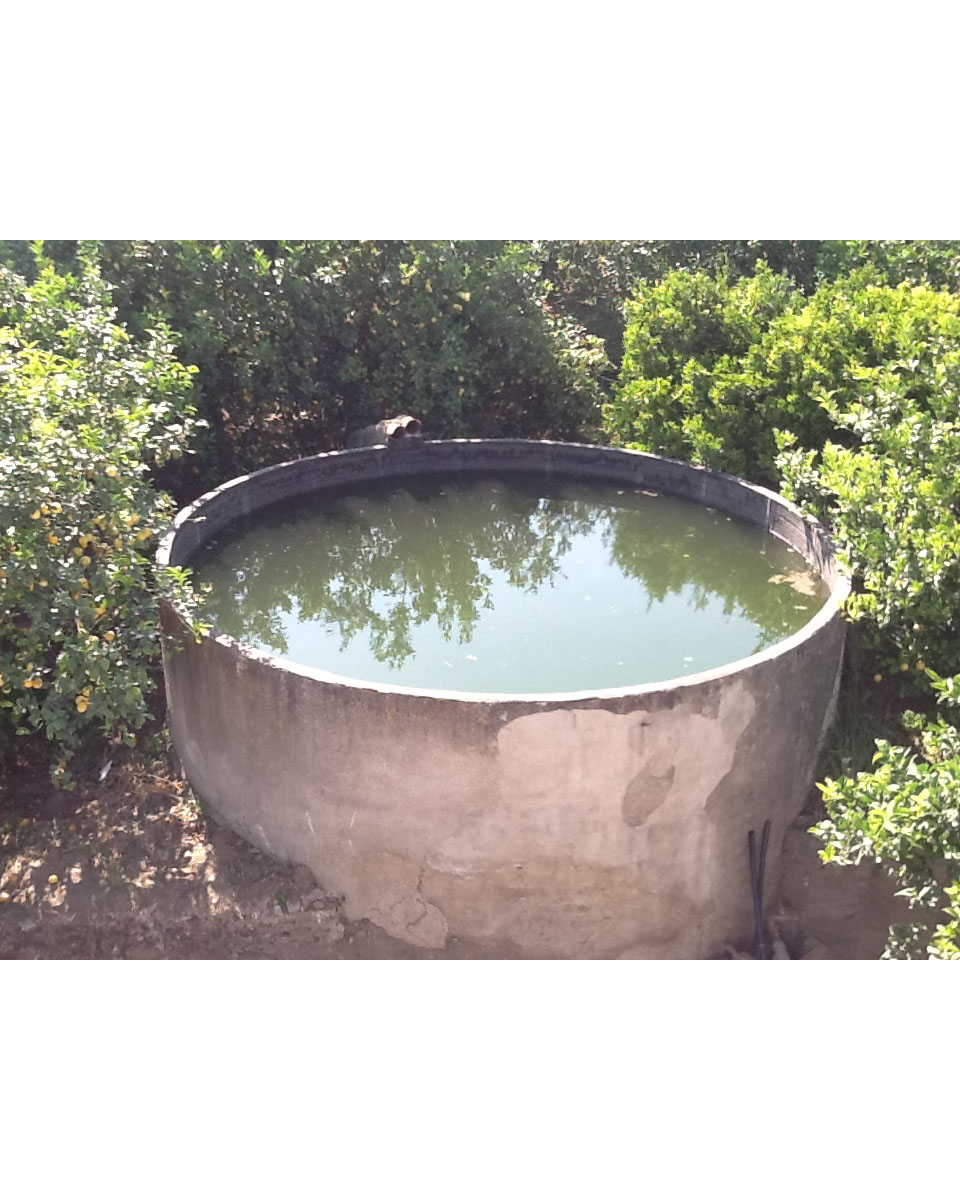
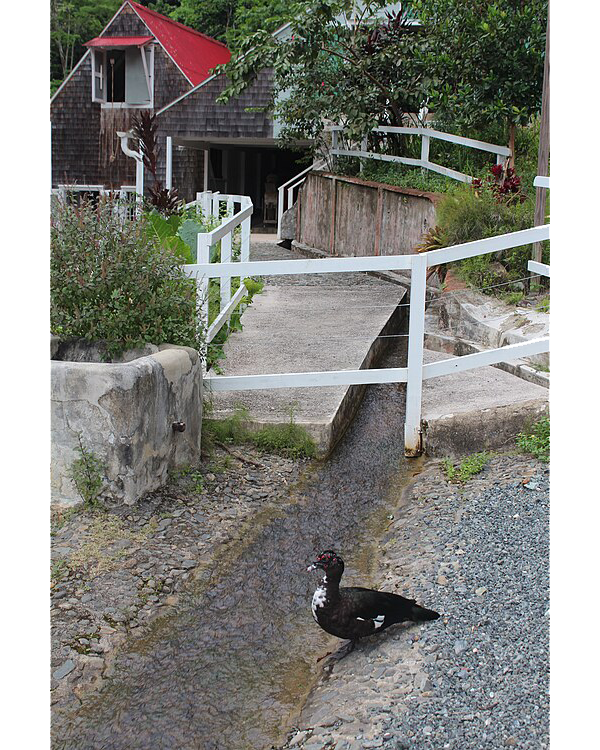
Having access to a perennial clean supply of natural water is a rarity; extreme weather events, rubbish, silt, algae, wildlife, leaves - all difficult to avoid in natural water supplies.
How Finely to Filter
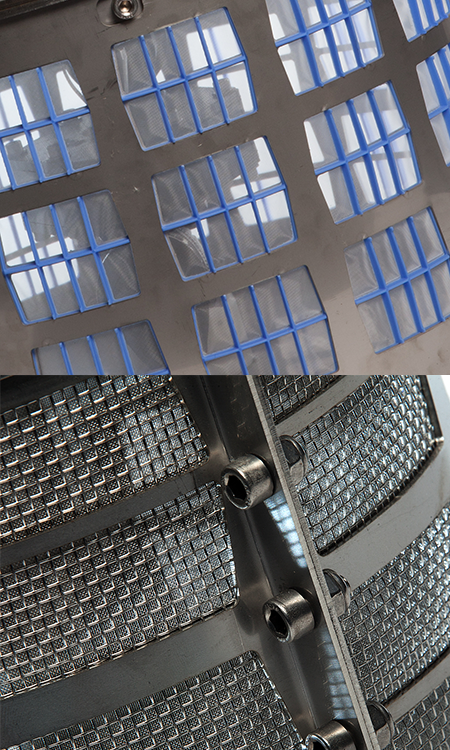
Screening and filtering water prevents debris and detritus from clogging irrigation pipework and delivery systems. Sizes of drip feed emitters vary by manufacturer and flow rate, the general standard is a labyrinth channel depth of 0.5 to 1.5 mm and an opening aperture (dripper orifice) between 0.5 to 1.5 mm. Sprinkler nozzles and spray bars generally range from 0.1 mm to 5.0 mm, depending on the type of system.
Filter and screen apertures are dictated by the minimum outlet size of your system. As a rule of thumb any filtration should be at least a third of the size of the minimum aperture size of your irrigation system. So a 1.5 mm dripper needs at least 0.5 mm filtration or screening.
Screening From Source
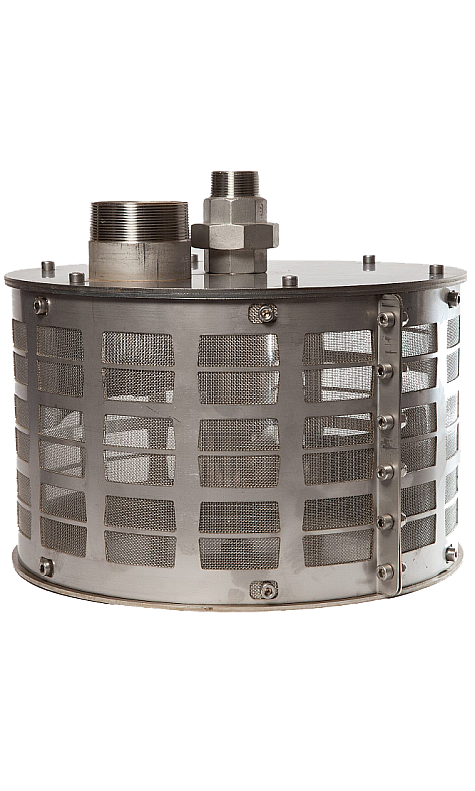
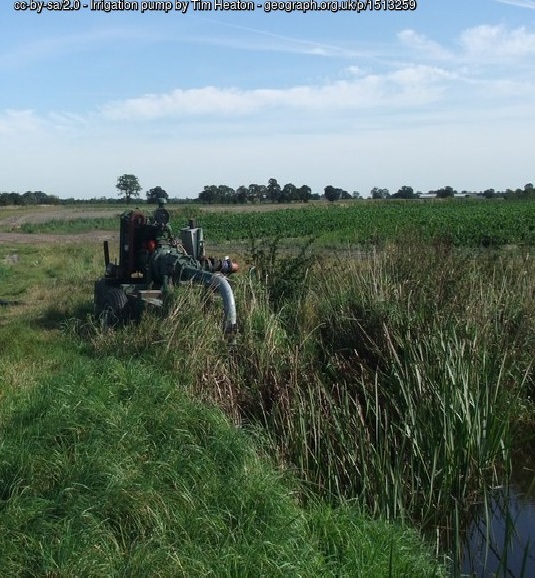
At Rotorflush we recommend screening your irrigation water at source, that is directly from a pond, lake, river, reservoir or lagoon. This is primarily to reduce downtime and for ease of maintenance. Many irrigation systems make use of small inline filters throughout the system. Our view is that it is easier to manage a single larger irrigation filter for the whole system than several or many smaller units. The main advantage of course is that debris, weed and other detritus are prevented from entering the system in the first place.
If a system requires secondary or tertiary filtration, primary filtration at source extends the life and maintenance intervals of downstream filters. For most irrigation an effective 315 micron or 0.5 mm screen will prevent suspended solids, leaves, weed and other contaminants that may potentially block the delivery of water from entering your system.
The screen or filter operating at source ahead of your irrigation system must be sized to accommodate the flow rate you require. If the filter is self-cleaning with a backwash you will need to allow for backwash water on top of your irrigation requirement. An open irrigation system can be gravity fed, where geography and topography allows this, but most irrigation systems are closed and require a manageable water pressure.
Irrigation water is usually pumped, and for screening at source the screen or filter needs to be on the pump suction intake of a closed system.
How to Minimise Maintenance and Downtime
All filters and Screens Eventually Block and Clog
Unless they are regularly maintained. Maintenance and downtime represent the biggest costs and greatest threat to irrigation system efficiency. Modern irrigation systems that target plant roots with drip emitters are extremely water efficient but water delivery (flow and pressure) need tight control. Blockages ahead of or within the system can easily upset an optimum set-up.
Micro-nozzles and fine spray bars require filtered and screened water, water that often needs to be filtered down to 0.5 mm or less. In most raw water settings any screen with such small apertures will rapidly clog if there are even a small percentage of contaminants in the flow. Unless they are self-cleaning, irrigation filters have to be manually cleaned.
Self-cleaning Filters
The preference for most irrigators is to use either in-line self-cleaning filters or a self-cleaning suction intake at source to reduce the amount of maintenance intervention required to keep systems running.
Self-cleaning in-line filters use a pressure sensor to trigger a flushing cycle, creating a high-velocity suction that vacuums the filter screen and expels the dirt through a drain valve. These filters require power (batteries for smaller systems), and if the source water is particularly dirty, frequent back-flushing may reduce water efficiency.
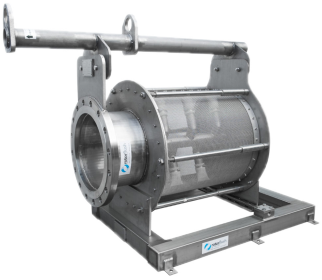
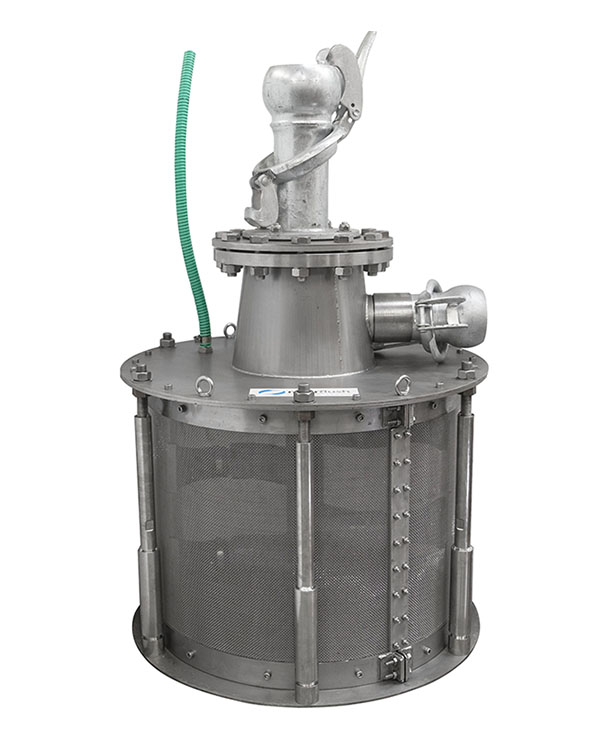
Self-cleaning suction intake filters operate differently, relying on the pumped output for their backwash so that their screens are continuously cleaned as water is drawn into your system. See how they work HERE.
Self-cleaning filters hugely reduce the instance of blockages in irrigation systems and in turn reduce downtime and the need for manual maintenance.
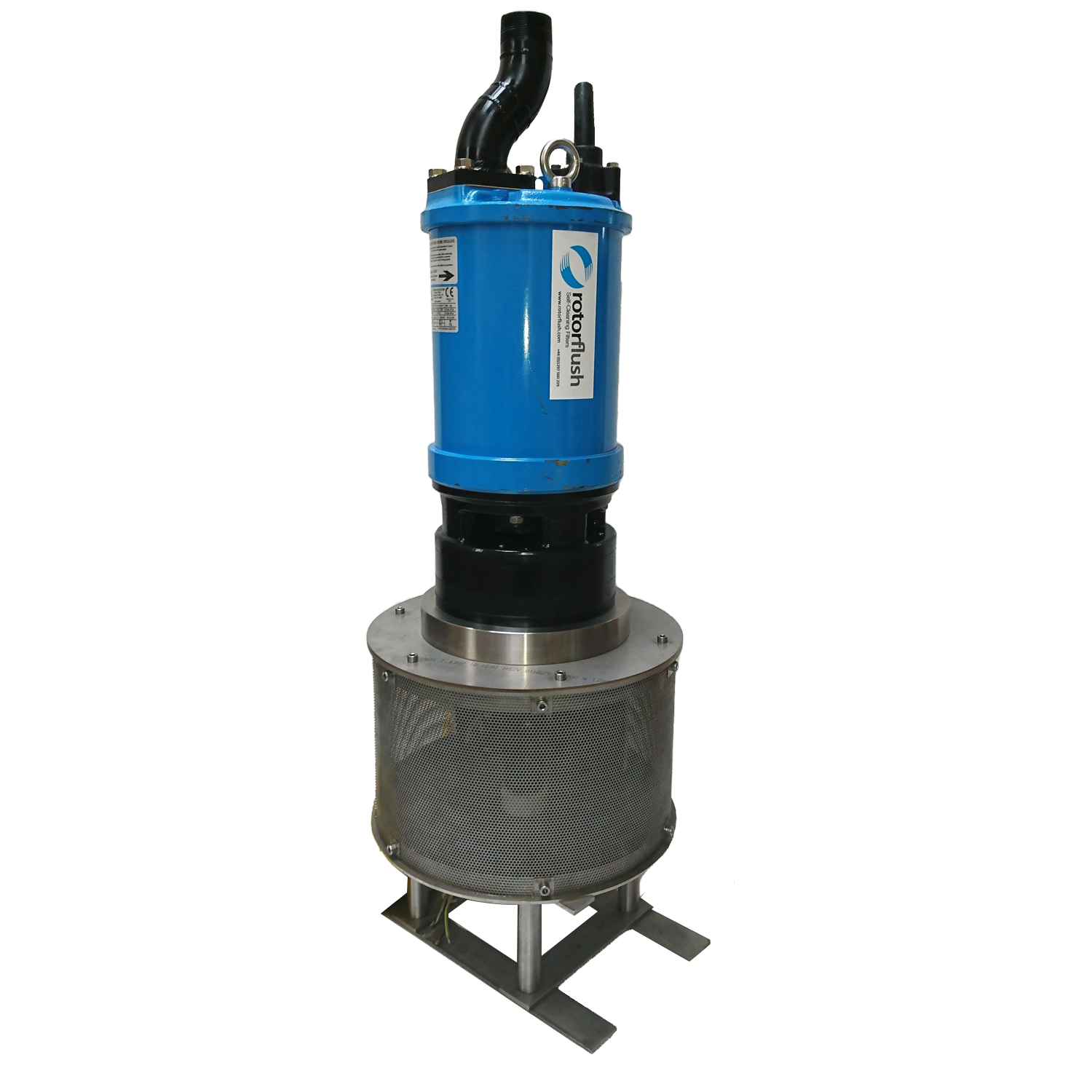
Pumping and Screening Combined
Having a self-cleaning filter on your intake pump suction line combines pumping and screening at the water source. This can be taken a step further by using a submersible pump with a built-in self-cleaning suction intake as a key component of your irrigation system. Find out about filterpumps HERE
Find out more about Rotorflush Self-cleaning Irrigation Filters and Screens
Get in touch to find out more about how Rotorflush self-cleaning filtration products can benefit your irrigation system.
Contact the Rotorflush team for a discussion with our knowledgeable and friendly staff.
