



Products
Expertise by Industry

Case Studies
Knowledge

-
Cooling Water for Data Centres
Effective low maintenance intake screening
High volume intakes screened down to 500 microns
Low maintenance reliable cooling system protection
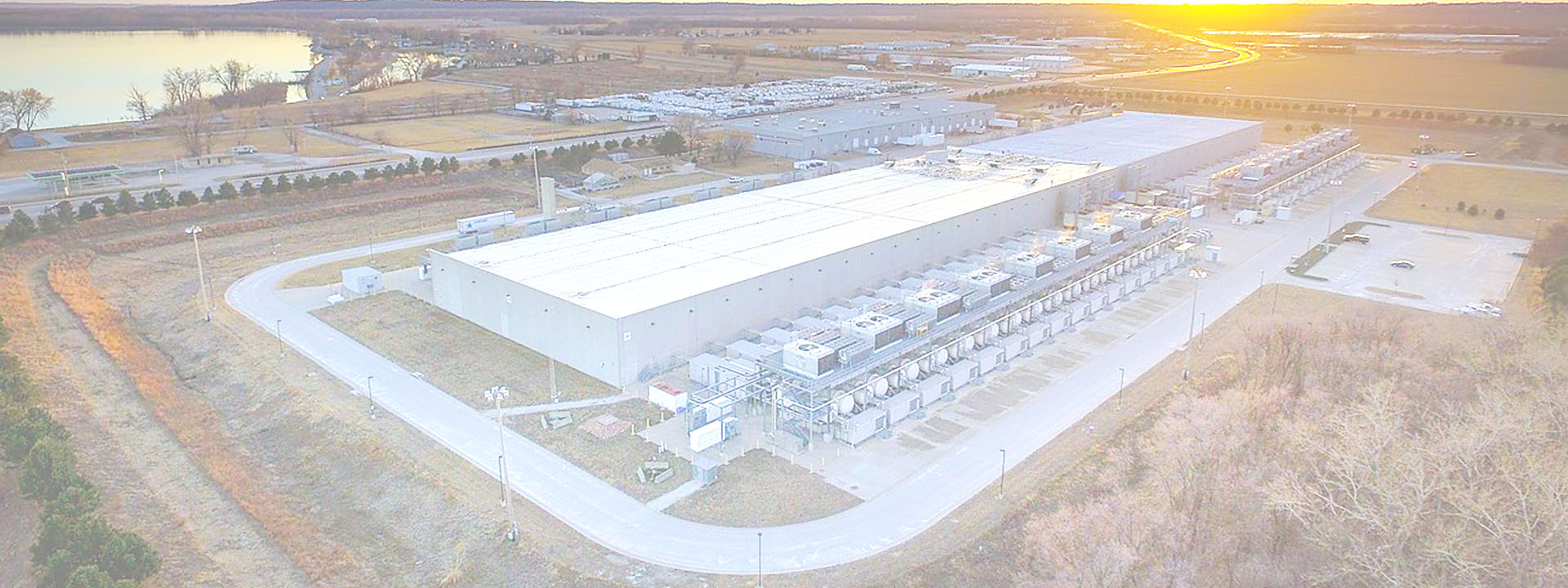
"Google_Data_Center,_Council_Bluffs_Iowa.jpg" by Chad Davis, CC BY 2.0 (https://creativecommons.org/licenses/by/2.0), via Wikimedia Commons
Data Centre Cooling and Energy Efficiency
As relatively new as the data centre sector is, there is an urgent need to move away from the ‘traditional’ data centre cooling method of using evaporation and cooling towers. The exponential growth of AIGC is changing the design of data centres. In spite of the technological advances that have increased their viable operating temperatures, better and more cost-effective cooling systems are needed, increasingly making use of natural water sources.
Keeping Data Cool
Data Centre Cooling
Keeping Cool
Modern data centres are technologically complex, requiring continual close monitoring and management to ensure safe and efficient operation. Critical to this is temperature control, which means efficient and cost-effective heat exchange.
Data centre cooling dissipates heat generated by computing and other equipment to prevent temperatures rising to levels that can adversely affect performance, efficiency, or that may cause damage.
Data Centre cooling system designs vary, and can incorporate a combination of methods. Modern designs are moving away from conventional air conditioning and evaporative cooling techniques for temperature control in in response to the rapid demand for AI generated content.
Cooling Methods for Data Centres
Cooling methods for data centres have evolved over time, vary according to location and design, and are now advancing rapidly with demands for greater amounts of data.
Typical cooling methods are:
Mechanical air cooling – increasingly a legacy method relying on fans, chillers, and computer room air conditioning. This method consumes significant power relative to the overall power consumption of a data centre.
Liquid cooling - Uses liquids like specially engineered dielectric fluids or warm water to directly transfer heat away from high-density server components. It eliminates the need for massive fans and allows for higher supply temperatures, vastly lowering overhead. This can be used in conjunction with evaporative and free-cooling systems.
Evaporative or Adiabatic cooling - uses water evaporation rather than mechanical air conditioning, (e.g., cooling towers) to cool the data centre.
Free-cooling using air, – uses outside ambient air (in cooler climates) to cool the data centre – limited use depending on season or location.
Free-cooling using natural water - water conducts heat significantly better than air, giving very efficient heat exchange.
A combination of these methods will be used in most modern data centre designs in efforts to increase the power efficiency and water efficiency of the operation.
AIGC
The very sudden and exponentially increasing demand for Artificial Intelligence Generated Content (AIGC) as the use of AI across all sectors continues to spread is having a massive impact on data centre design, technology and costs. Data centres now have to accommodate far more computing power, and this demand is growing all the time.
The new generation of high-density data centres are characterised by advanced technology, high computing power, and high energy efficiency. Modern data centres have scaled up with higher density AI server clusters. Technological advances allow higher operating temperatures but cooling remains a critical design component.
The relative efficiencies of differing cooling methods are well-understood, and there is a drive towards designing the most power and water efficient data centres, capitalising where possible on natural resources to cut power and water consumption.
Efficiency
The proportion of their power consumption that data centres use for cooling varies depending on the cooling systems used. The increased demands on space and performance have boosted the use of direct and indirect free cooling methods and combined approaches using both closed and open loop systems for heat exchange, as data centres seek to become more and more energy and water efficient.
Standard efficiency measures for different cooling methods are Power Usage Efficiency (PUE) and Water Usage Efficiency (WUE).
Traditional air-con and chilling can use up to 45% of a data centre's overall power consumption.
Liquid Cooling typically uses 10% - 15 % of a data centre's overall power consumption.
Evaporative or Adiabatic cooling 5% - 10% but there is a water loss.
Free-cooling - where natural water is used for cooling - power consumption can be below 5% and as water is returned to source there is little or no water consumption.
Natural Water Intakes
Natural or raw water intakes from lakes, rivers or the sea can provide a most reliable and cost effective coolant for free-cooling systems at data centres.
Natural or raw water provides an effective coolant but must be properly screened before use. Heat exchangers, regardless of design, contain narrow flow passages where cooling water absorbs heat. In plate and frame exchangers, closely packed corrugated plates create turbulent flow and high heat transfer efficiency, but also introduce fine apertures that dictate the required filtration level.
Screens and filters that automatically self-clean are essential for low maintenance and to ensure the smooth running of critical cooling systems.
Any debris or fouling will reduce performance and risk system failure. Filtration requirements are therefore defined by the smallest internal passage, with intake screening typically down to 200 microns or finer, and additional inline filtration often necessary to protect sensitive components such as CDUs.
Screening may also be required to meet environmental and regulatory standards.
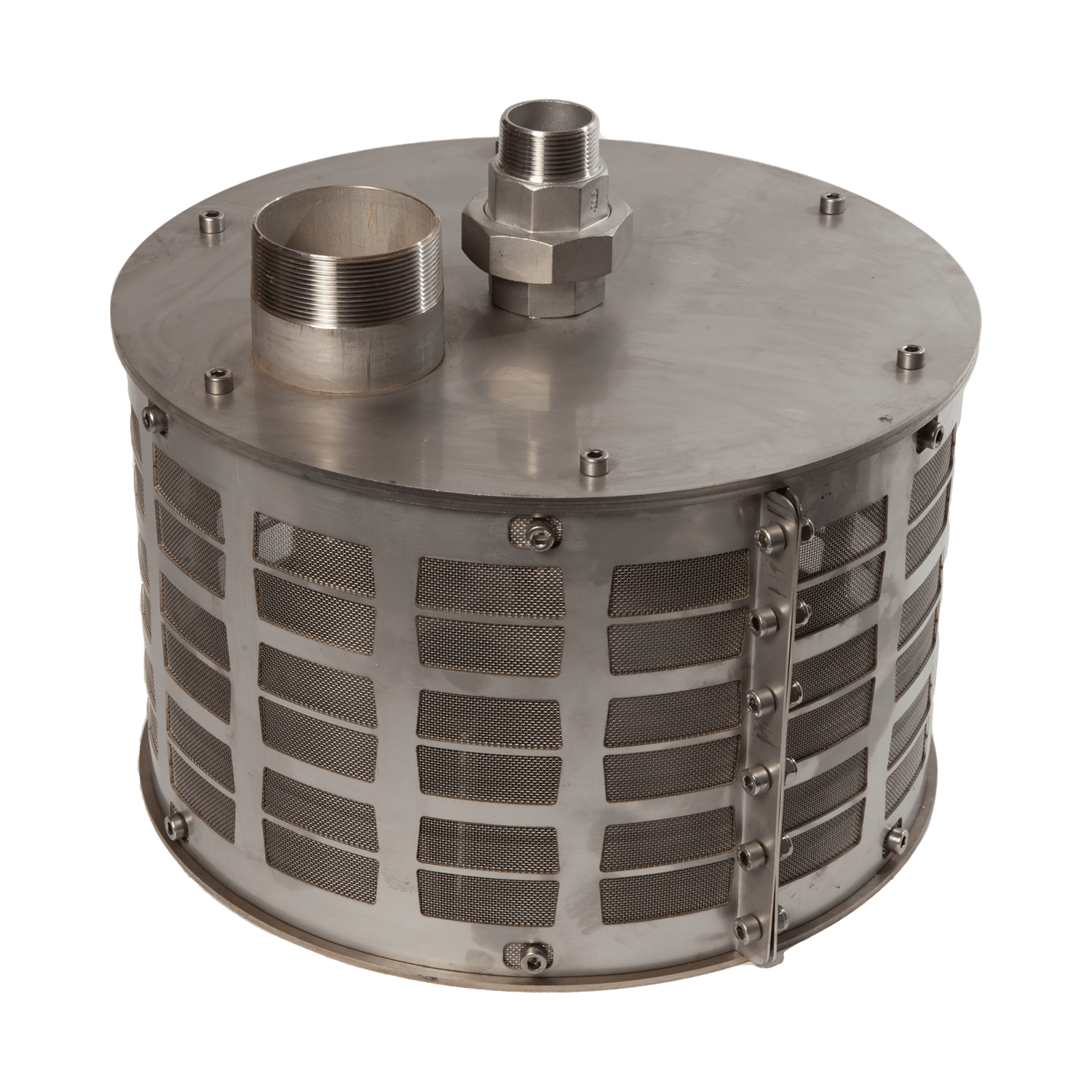
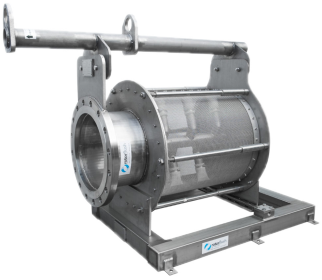
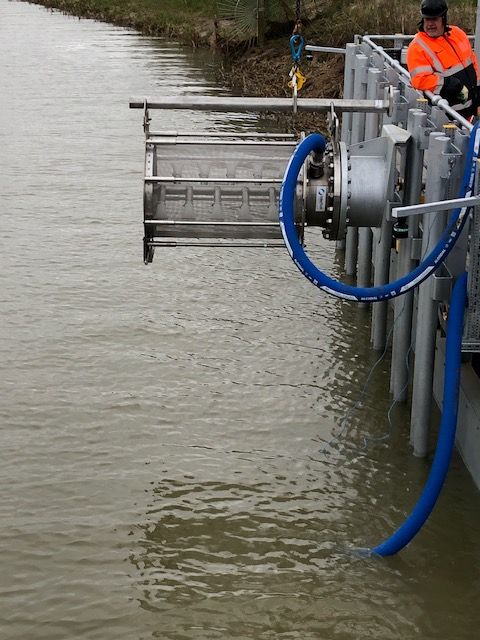
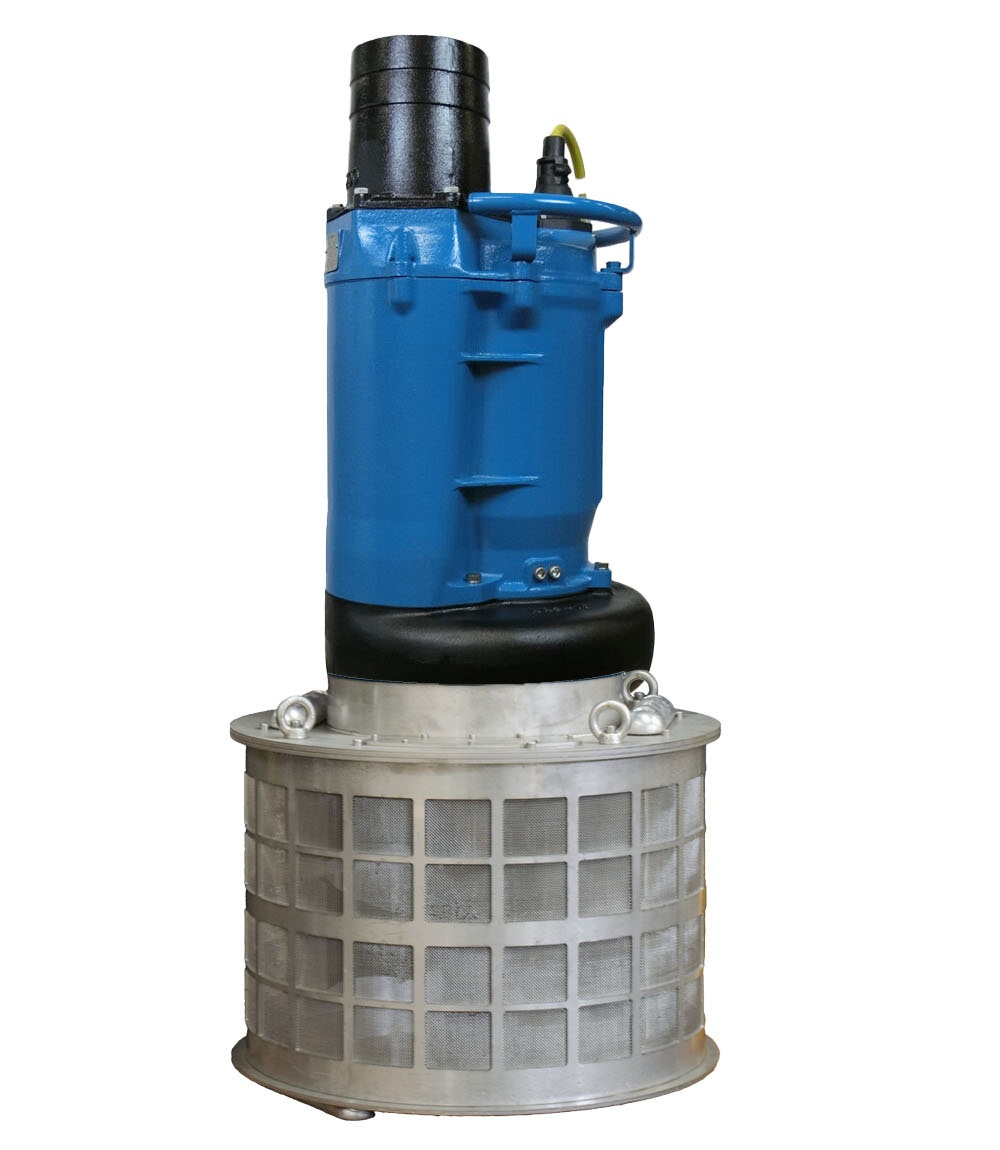
Rotorflush Filters Ltd specialises in raw water screening and provides expert guidance on filter selection and application. Rotorflush manufacture and supply a wide range of self-cleaning suction intake screens, raw water intake screens and submersible pumps with self-cleaning intakes, ideal for the management of natural water for cooling applications.
Talk to an Expert About Your Project
Call us now on 01297 560 229
or Email sales@rotorflush.com
and a member of our expert, friendly team will call you back and find the self-cleaning filter, strainer or filter pump to suit your needs.
- We work with you to identify your issues
- We can design & build a custom solution
- We can deliver our solution worldwide
Use this form to get in touch or send us Feedback about your Rotorflush experience
or Email feedback@rotorflush.com
