



Products
Expertise by Industry

Case Studies
Knowledge
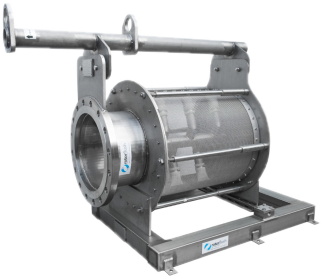

Submersible Pump Screens and Intakes
Submersible Pump Screens
-
Submersible Pump Screens
Submersible Pump Screens and Intakes
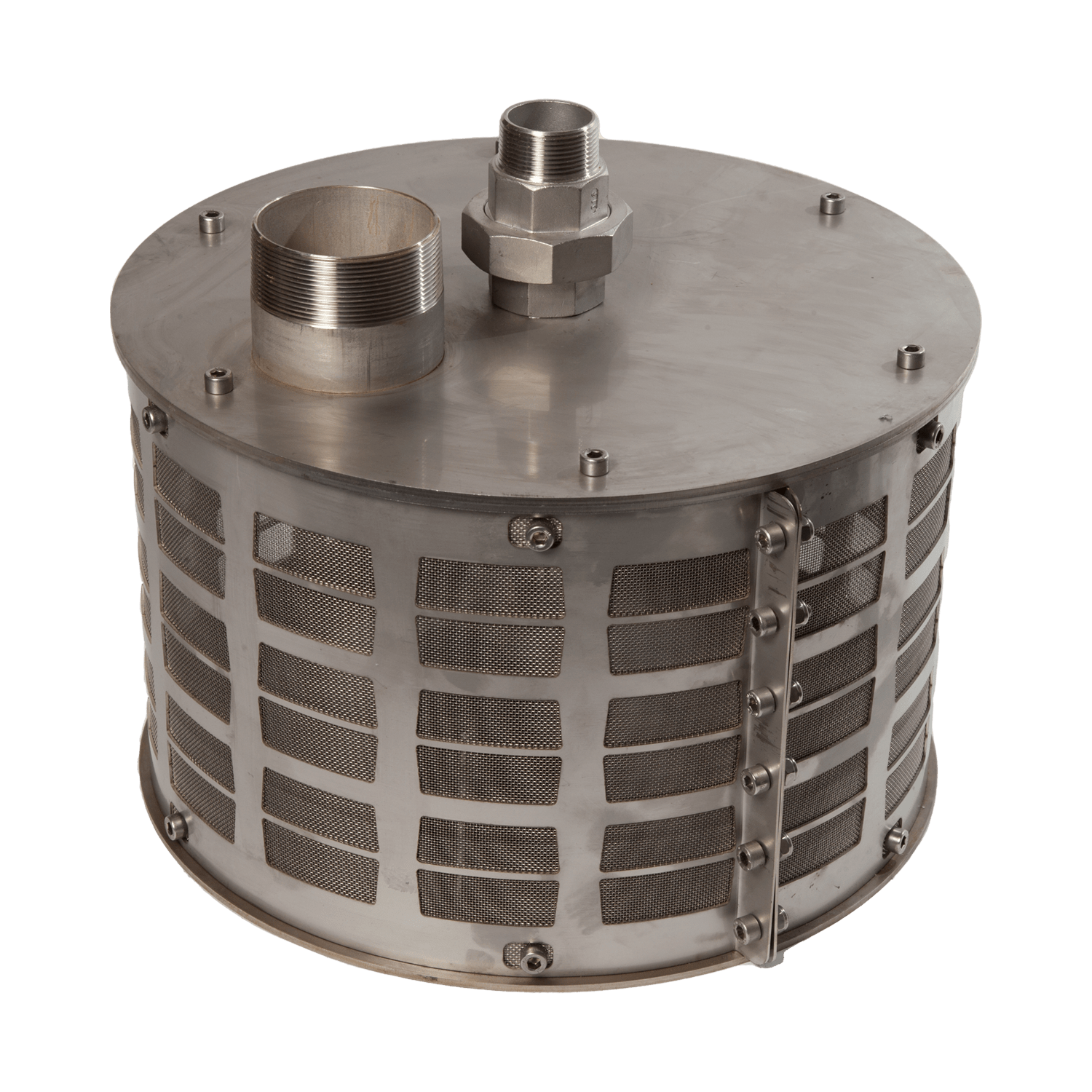
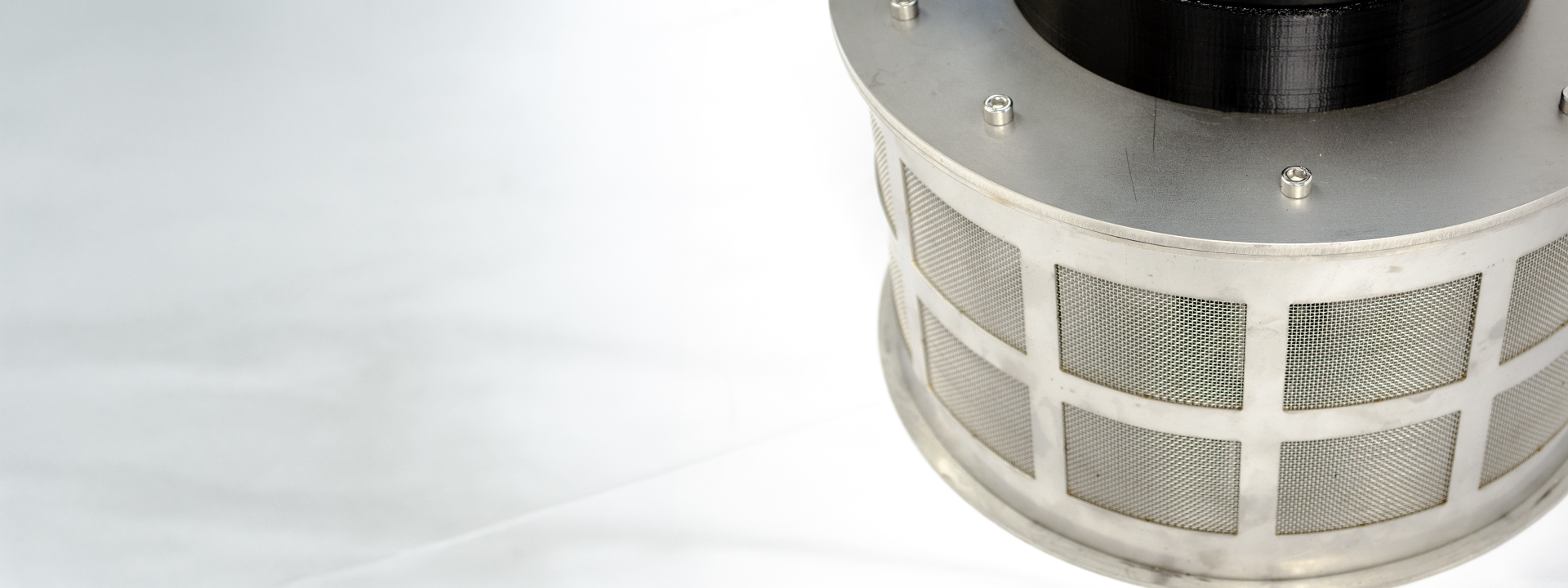
A submersible pump screen is fitted around the water intake of a pump to prevent debris and larger solids from entering the pump. It acts as a protective barrier, allowing water to pass through while screening out unwanted material that could cause blockages or damage to the pump.
Most conventional submersible pumps have an intake screen or perforated guard fitted around the pump body, ahead of the impeller. The size of the openings is generally determined by the pump design and the clearance required for water and solids to pass through.
Why do Conventional Submersible Pump Screens Become Blocked?
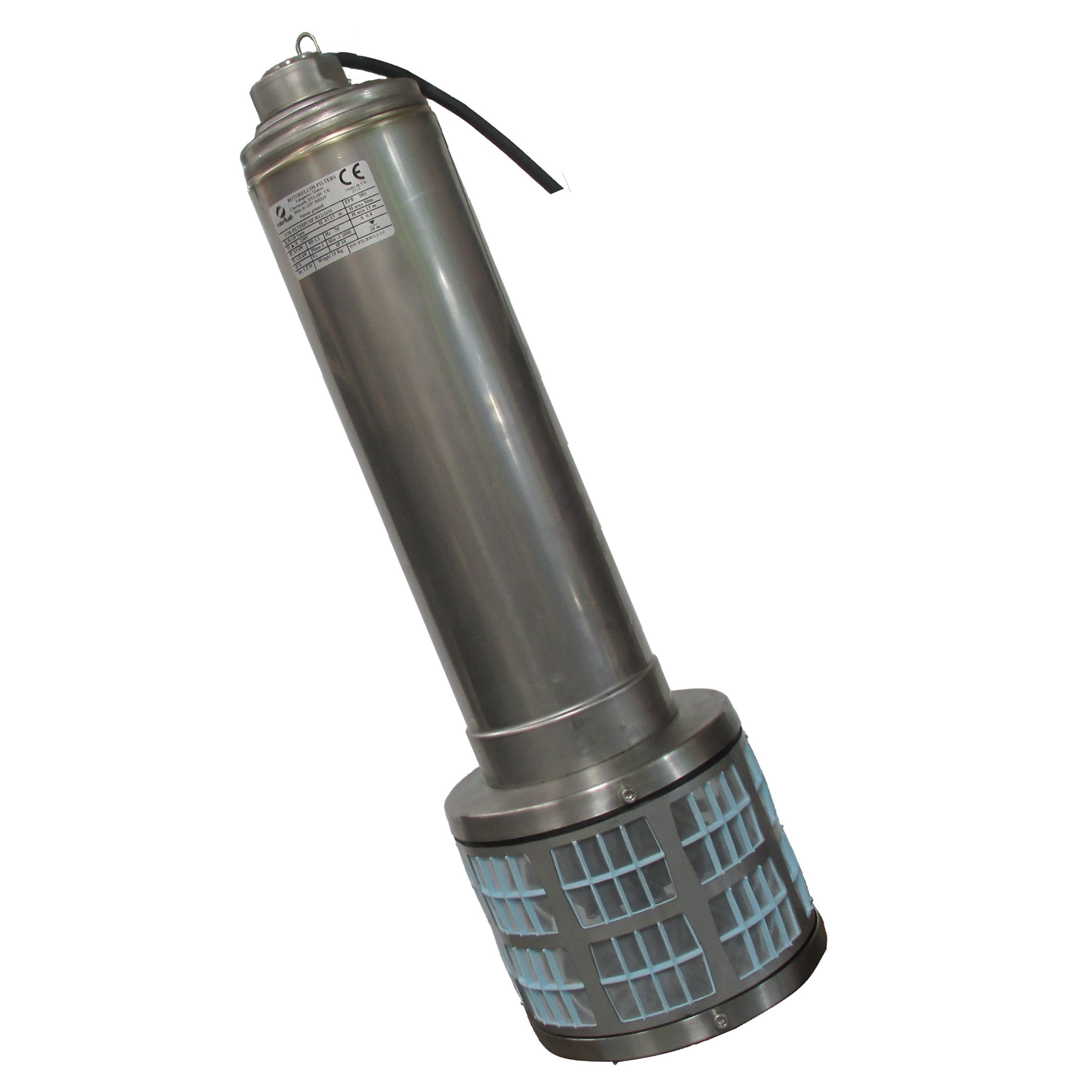
Submersible pump screens can become blocked when pumping water containing weed, leaves, algae and other suspended debris.
Because the intake screen is often relatively small compared with the volume of water being drawn through the pump, debris can quickly accumulate across the screen surface. This restricts the flow of water and can affect pump performance.
Regular inspection and frequent maintenance may therefore be necessary, particularly when pumping from natural water sources.
Self-cleaning Submersible Pump Screens
For applications where conventional pump screens are prone to frequent blockages, a self-cleaning intake can provide an alternative.
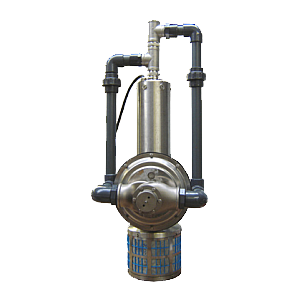
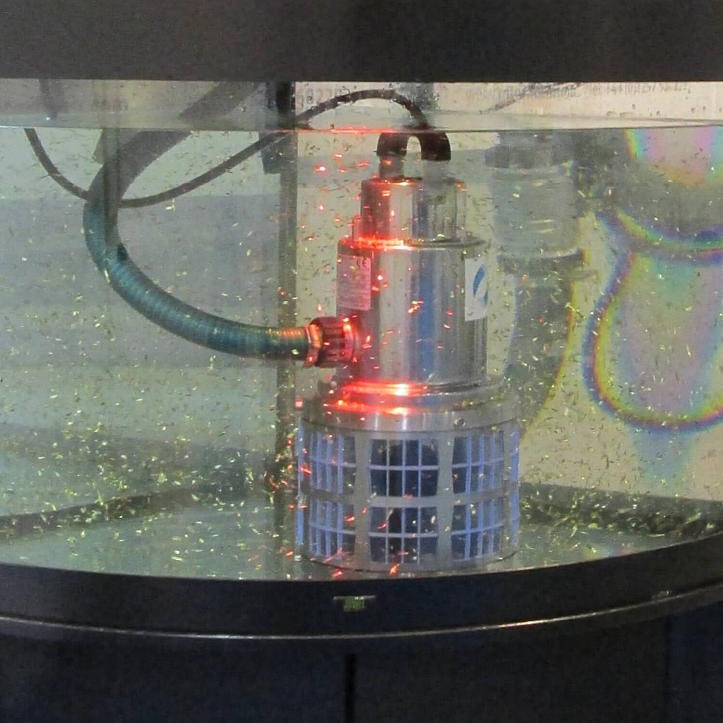
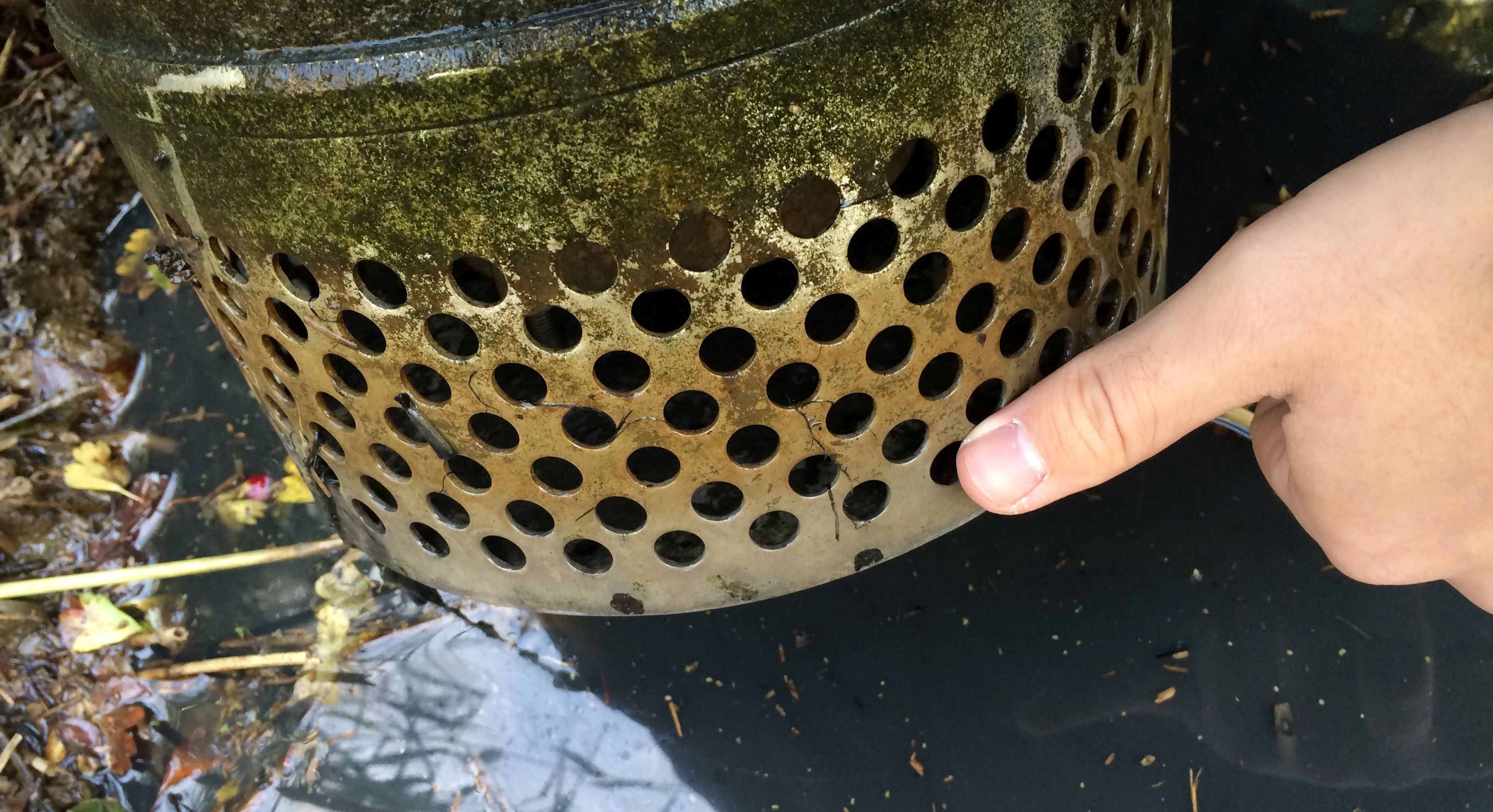
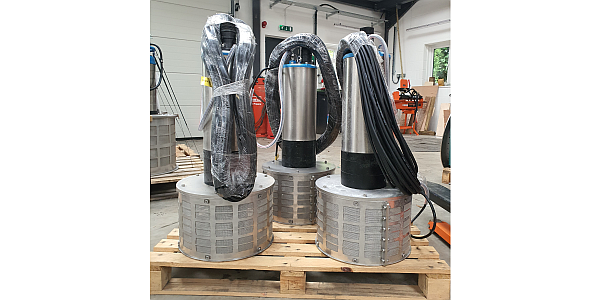
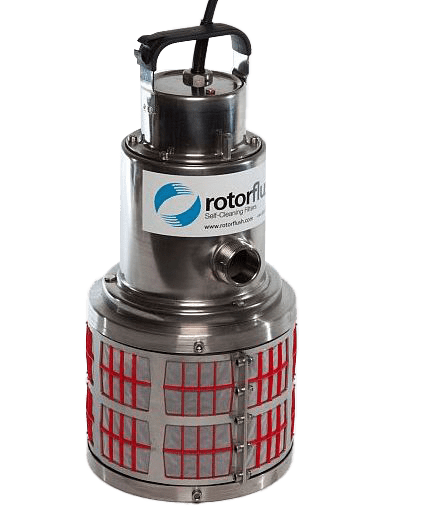
Rotorflush Submersible Filterpumps™ incorporate a built-in self-cleaning intake screen with an automatic backwash mechanism. An additional impeller on the pump motor shaft drives internal cleaning jets, which keep debris and suspended solids away from the filter mesh while the pump is operating.
This allows the pump to draw in screened water continuously as it pumps and reduces the need for frequent manual cleaning.
Choosing a Self-cleaning Submersible Pump
Selecting the right submersible filterpump depends on the requirements of the application and the conditions in which it will operate.
Important factors to consider include:
- Water quality: The type and quantity of debris present in the water, including weed, leaves and suspended solids.
- Filtration size: The required mesh aperture to prevent unwanted material from entering the pump.
- Flow rate: The volume of water required for the application.
- Pressure: The total head required to deliver water to its destination.
- Installation conditions: The water depth, available space and whether the pump will be permanently or temporarily installed.
Submersible Pump Screens
Rotorflush offers a range of self-cleaning submersible Filterpumps™ with different flow capacities, filtration options and configurations to suit a variety of applications.
